Ozempic and Mounjaro vs. Lifestyle Change: What Diet and Exercise Can Do
Ozempic and Mounjaro are FDA-approved prescription drugs for type 2 diabetes, and their weight-loss versions, Wegovy and Zepbound, help many people lose a meaningful amount of weight. Diet and exercise alone are a strong path for many people too, but it isn't an either-or choice: eating well, strength training and staying active are the foundation whether or not you take a medication, and they matter most for keeping muscle and keeping the weight off. Talk to your doctor before you start, stop or change any medication.
Written by FitDrake Team, updated on November 19, 2026

Few health topics have exploded the way GLP-1 medications have. If you're weighing a prescription against "just" changing your habits, or you're already on one and wondering whether your workouts still matter, this guide walks through what these drugs are approved for, what the research shows, and where nutrition, strength training and everyday movement fit in.
What are Ozempic and Mounjaro actually approved for?
Ozempic and Mounjaro are approved by the FDA for people with type 2 diabetes, to be used along with diet and exercise to improve blood sugar. Their sister brands, Wegovy and Zepbound, contain the same active ingredients and are the versions approved for chronic weight management.
Here's how the four names line up:
| Active ingredient | Brand for type 2 diabetes | Brand for chronic weight management |
|---|---|---|
| Semaglutide | Ozempic | Wegovy |
| Tirzepatide | Mounjaro | Zepbound |
Semaglutide mimics a gut hormone called GLP-1, which acts on the parts of the brain that regulate appetite and food intake. Tirzepatide activates the receptors for two gut hormones, GLP-1 and GIP, to reduce appetite and food intake. According to the FDA's announcement of the Zepbound approval, Zepbound is approved for adults with obesity (a BMI of 30 or higher) or overweight (a BMI of 27 or higher) with at least one weight-related condition, such as high blood pressure, type 2 diabetes or high cholesterol. Wegovy has the same adult BMI criteria. One detail is easy to miss: both weight-management drugs are approved for use in addition to a reduced-calorie diet and increased physical activity, not instead of them.
These are real, effective medicines with real side effects, most commonly nausea, diarrhea, vomiting and constipation, plus less common but serious warnings listed on their labels. Whether one is right for you is a decision for you and your doctor.
How does weight loss on GLP-1 drugs compare with diet and exercise alone?
In clinical trials, people taking these medications lost much more weight than people following a lifestyle program alone. That said, every trial combined the drug with diet and activity changes, so the medication added to habits rather than replacing them.
A few numbers from the studies behind the weight-management brands:
- In the STEP 1 trial published in the New England Journal of Medicine, adults taking semaglutide 2.4 mg (the Wegovy dose) plus a lifestyle program lost an average of 14.9% of their body weight over 68 weeks, compared with 2.4% for people on placebo plus the same lifestyle program.
- In the larger Zepbound trial in adults without diabetes, people on the highest approved dose lost on average 18% more of their body weight than people on placebo after 72 weeks, according to the FDA.
The placebo groups matter here. They show that a structured lifestyle program by itself usually produced smaller average losses in these trials, though results vary widely from person to person. The NIDDK is clear on the other side of the equation too: medications don't replace physical activity or healthy eating habits, and they work best when combined with a lifestyle program.
Can diet and exercise alone be enough?
For many people, yes. According to the NIDDK, people with overweight or obesity may be able to lose weight with a lifestyle program that improves eating and activity habits, and medications are typically considered when those changes aren't enough. Weight-management drugs aren't for everyone with a high BMI.
It also helps to know that you don't need a dramatic number on the scale to see benefits. The NIDDK notes that losing 5% to 10% of your starting weight may help lower blood sugar, blood pressure and triglycerides. For someone who weighs 220 pounds, that's 11 to 22 pounds, a goal that's realistic for a lot of people through habits alone.
Lifestyle change isn't the right fit for everyone, either. Obesity is a chronic disease, and some people do everything "right" and still need more help. If that's you, a medication isn't a shortcut or a failure. It's a treatment option to discuss with your doctor.
What does a strong lifestyle foundation look like?
A strong foundation comes down to three habits: eating in a way you can sustain, training your muscles at least twice a week, and moving more throughout the day. Each one supports the others, and each one matters with or without medication.
Build meals around protein and plants
You don't need a special "Ozempic diet." A plate built around a palm-sized portion of lean protein, plenty of vegetables, some whole grains or starchy carbs, and a little healthy fat covers most of what you need. Protein is especially important when you're eating less, because it helps you hold on to muscle while you lose fat. Our beginner's guide to macros shows how to set protein, carbs and fat for your goal.
If you'd rather not plan every meal yourself, FitDrake plans breakfast, lunch, dinner and a snack around your calorie and protein targets, and its calorie targets use the Mifflin-St Jeor equation, calculated in code rather than estimated by AI. You can see how it works on the AI meal planner page.
Strength train at least twice a week
The CDC's physical activity guidelines recommend that adults do muscle-strengthening activities on at least 2 days a week, working all the major muscle groups: legs, hips, back, abdomen, chest, shoulders and arms. Simple compound moves cover a lot of ground. A goblet squat works your legs and hips, a one-arm dumbbell row works your upper back, and a push-up or press works your chest and shoulders.
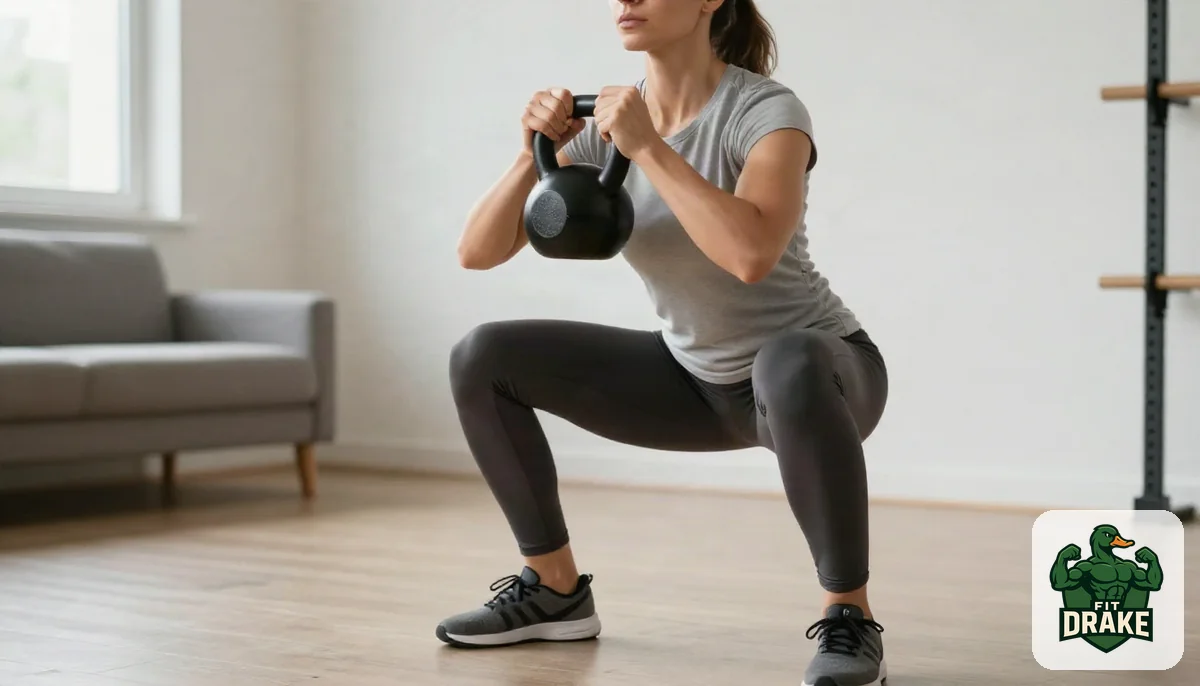
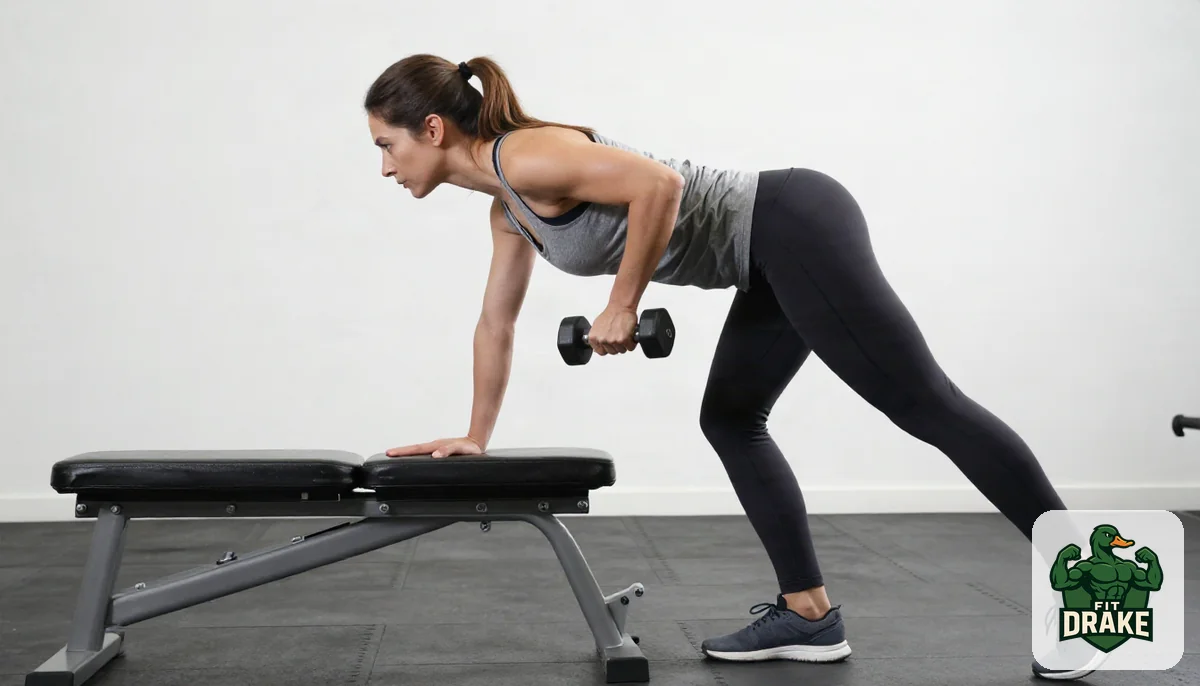
Start light enough that every rep looks controlled, then add a little weight or another rep as it gets easier.
If you're not sure how to turn that into a weekly routine, FitDrake builds your plan (exercises, sets, reps and rest) from your goal, schedule, equipment and training level, whether you train with bodyweight only, dumbbells at home or a full gym.
Move more every day
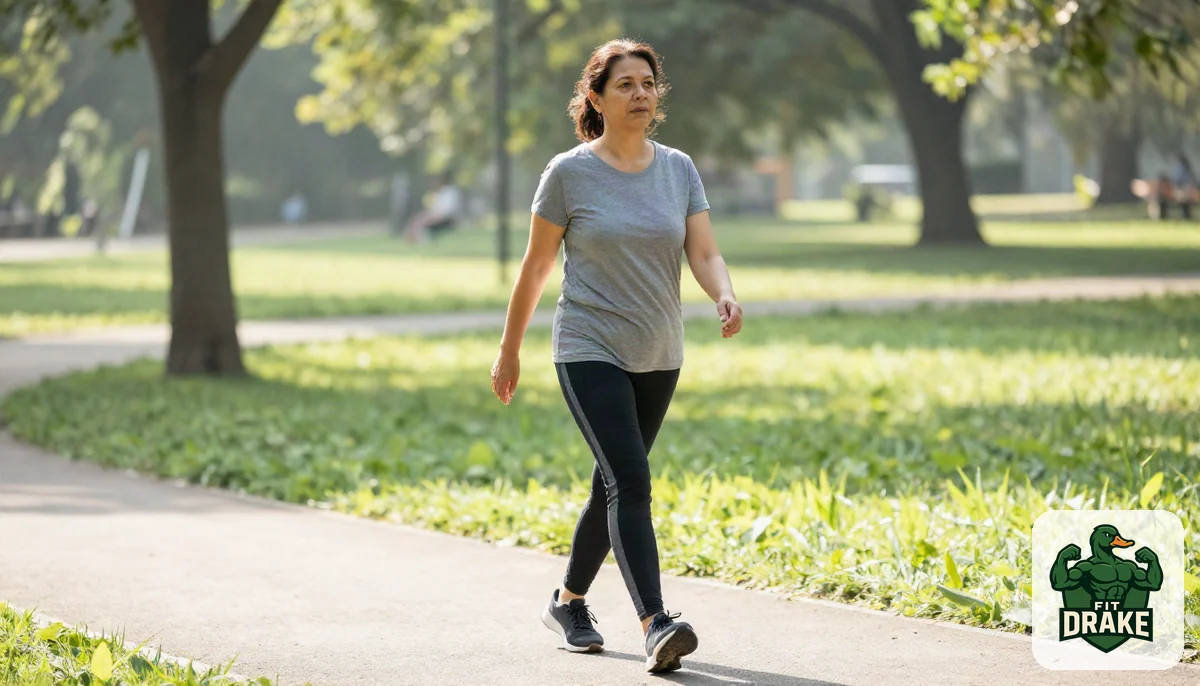
The CDC also recommends at least 150 minutes of moderate-intensity activity a week, such as 30 minutes of brisk walking 5 days a week. You can break it into shorter chunks, and the CDC notes that some physical activity is better than none.
Why does strength training matter if you take Ozempic or Mounjaro?
Strength training matters because rapid weight loss can include muscle and bone, not just fat. Lifting weights and eating enough protein are the main tools experts recommend to protect the muscle you have while the scale goes down.
This isn't a fringe concern. A 2025 joint advisory from four obesity and nutrition organizations, published in the American Journal of Clinical Nutrition, lists muscle and bone loss among the key challenges of GLP-1 treatment. It recommends preserving muscle and bone mass through resistance training and an appropriate diet. It also highlights managing digestive side effects and avoiding nutrient gaps when appetite drops.
In practice, that means the same habits described above become more important, not less, when a medication is doing some of the work on appetite. Smaller portions leave less room for error, so protein and nutrient-dense foods deserve the first spot on your plate. If your medication makes you feel tired or queasy on certain days, a shorter or lighter session still counts. Tell your doctor about side effects rather than pushing through them.
What happens if you stop taking the medication?
Many people regain a good part of the weight after stopping, which is why long-term habits matter so much. This is a decision to make with your doctor, never on your own.
Two trials looked at this directly:
- In the STEP 1 extension, one year after people stopped semaglutide (and the trial's lifestyle program), they had regained about two-thirds of the weight they'd lost.
- In the SURMOUNT-4 trial, people who switched from tirzepatide to placebo after 36 weeks saw their weight go back up by an average of 14% over the following year, while those who kept taking it lost a further 5.5%.
The NIDDK puts it simply: you'll probably regain some weight after stopping a weight-management medication, and healthy eating and more physical activity may help you regain less or keep it off. It's one more reason to treat habits as the long-term plan and to build them while you're on the medication, not after.
How can you keep your results long term?
Keeping results comes down to habits you can repeat for years, not weeks: regular strength training, enough protein, daily movement, and a simple way to notice when things start to drift. Checking in on your weight and your strength makes it easier to adjust early.
If you want to see whether you're keeping muscle while the scale moves, FitDrake's Progress tab shows your weight against your goal and your strength week by week. When you finish a training week, the next one is built from what you actually logged. You can read more about how that works on the AI workout planner page.
Frequently asked questions
Is Ozempic approved for weight loss?
No. Ozempic is FDA-approved for adults with type 2 diabetes, along with diet and exercise, to improve blood sugar. Wegovy, which contains the same active ingredient (semaglutide), is the version approved for chronic weight management. Your doctor can explain which, if any, fits your situation.
Is Mounjaro the same as Zepbound?
They contain the same active ingredient, tirzepatide, but they're approved for different uses. Mounjaro is approved for type 2 diabetes, while Zepbound is approved for chronic weight management in adults with obesity, or with overweight and at least one weight-related condition.
Do you need to exercise on Ozempic?
Exercise isn't a requirement to take the medication, but it's strongly recommended. The weight-management versions are approved for use alongside a reduced-calorie diet and increased physical activity, and strength training helps you hold on to muscle while you lose weight.
Can you lose weight without Ozempic?
Many people can. A lifestyle program that improves your eating and activity habits can lead to meaningful weight loss, and even 5% to 10% of your starting weight may improve blood sugar, blood pressure and triglycerides. If lifestyle changes aren't enough, ask your doctor about other options.
How do you keep weight off after Ozempic?
Plan for it with your doctor before you stop, and keep the habits that support weight maintenance: strength training at least twice a week, regular moderate activity, protein-forward meals and regular check-ins on your weight. Research shows many people regain weight after stopping, so these habits matter a lot.
How do you prevent muscle loss on Mounjaro?
Prioritize protein, do muscle-strengthening exercise at least 2 days a week, and try to stay consistent even when your appetite is low. A 2025 joint nutrition advisory recommends resistance training and an appropriate diet to preserve muscle and bone during GLP-1 treatment.
Want FitDrake to plan your workouts and meals for you?
FitDrake builds a strength plan around your goal, schedule and equipment, and can plan meals around your calorie and protein targets, so the healthy habits in this guide are already laid out for you. It doesn't replace your doctor's advice, so keep them in the loop about any changes to your diet, exercise or medication.
Download FitDrake on the App Store and start with the free plan, which includes one goal, one AI workout plan, and weight and measurement tracking.
Key takeaways
- Ozempic and Mounjaro are FDA-approved for type 2 diabetes. Wegovy and Zepbound are the semaglutide and tirzepatide brands approved for chronic weight management.
- These medications help many people lose substantial weight, and they're approved for use alongside diet and physical activity, not instead of them.
- Diet and exercise alone can work well for many people, and losing 5% to 10% of your starting weight may improve your health.
- Strength training at least twice a week and enough protein help protect muscle during weight loss, with or without medication.
- Weight often returns after stopping these drugs, so build lasting habits and talk to your doctor before starting, stopping or changing any medication.